Most bad day rides don’t fail because of traffic, weather, or mechanical issues.
They fail because of planning.
Or more accurately, lack of intentional planning.
Too many miles on the highway. A lunch stop that doesn’t exist. A route that looks great on a map but rides terribly in real life. A ride that’s supposed to be “easy” but leaves everyone tired, annoyed, and ready to go home early.
A good day ride doesn’t need to be complicated. But it does need to be thought through.
Here’s how experienced riders plan day rides that actually feel good — from the moment the bike rolls out to the moment it goes back in.
Start With the Goal of the Ride
Before opening a map app, answer one question:
What do you want this ride to feel like?
That sounds simple, but it changes everything.
Are you riding to:
-
Relax and clear your head?
-
Cover scenic roads at an easy pace?
-
Ride twisty backroads with focus?
-
Meet friends and socialize?
-
Shake off the rust early in the season?
A ride without a goal turns into random miles. Random miles usually mean boredom, fatigue, or frustration.
Once the goal is clear, decisions get easier.

Distance Matters More Than Time
Many riders plan rides around hours instead of miles. That’s a mistake.
Backroads eat time. Traffic delays add up. Stops always take longer than expected.
A “four-hour ride” can quickly become six if you’re not careful.
A Better Rule of Thumb
Plan miles first, then time.
For a relaxed day ride:
-
150–250 miles is often the sweet spot
-
Less if riding unfamiliar roads
-
Less early in the season
-
Less if riding with mixed experience levels
More miles doesn’t equal more fun. Fatigue builds quietly, and once it shows up, the ride changes tone fast.
Choose Roads Riders Actually Enjoy
Not all roads are created equal.
A good riding road has:
-
Predictable pavement
-
Flowing corners
-
Minimal stop-and-go
-
Clear sight lines
A bad one looks good on a map and rides terribly.
Avoid These Common Traps
-
Long straight highways “just to get somewhere”
-
Busy state routes with constant traffic lights
-
Popular scenic roads during peak tourist hours
-
Roads with inconsistent pavement quality
If the ride requires slogging through miserable roads to reach “the good part,” rethink it.
The ride is the destination.
Build In Natural Break Points
Good rides breathe.
Bad rides feel rushed or dragged out.
Plan natural stops:
-
Fuel
-
Coffee
-
Lunch
-
Scenic pull-offs
-
Short stretch breaks
These aren’t interruptions — they’re reset points.
Riders who don’t plan stops end up stopping reactively, usually when fatigue or irritation is already present.

Plan for the Weakest Link (Including Yourself)
Every group ride has a weakest link. That’s not a criticism — it’s reality.
It might be:
-
The least experienced rider
-
The smallest fuel tank
-
The stiffest back
-
The oldest tires
-
The bike that sat all winter
Plan for that rider and the whole group rides better.
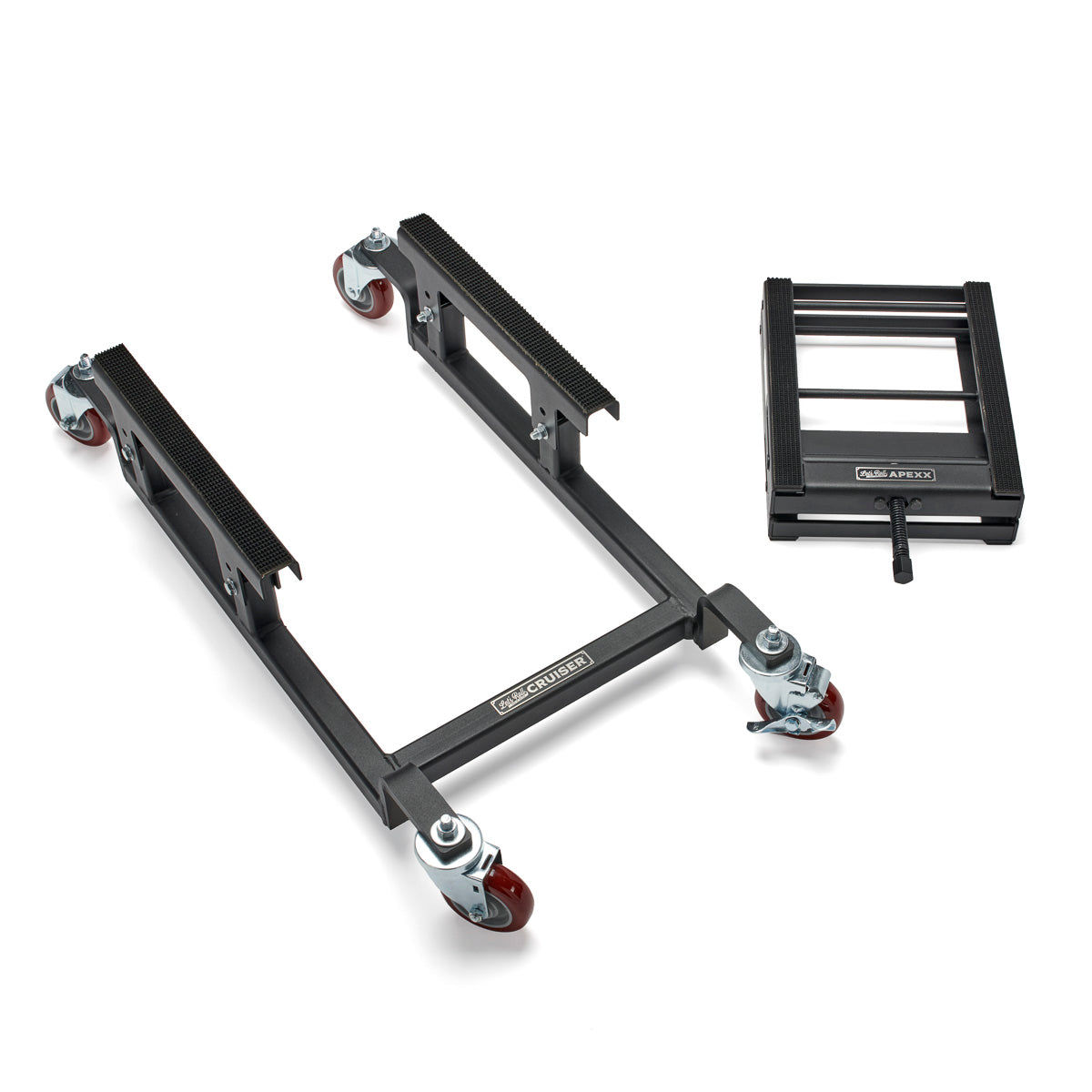
This is also why good rides start calm. When bikes are easy to prep, inspect, and position before leaving, riders begin the day relaxed instead of rushed — and that affects everything that follows.
Early-Season Routes Should Be Conservative
Spring rides especially deserve respect.
Cold pavement, leftover debris, rusty skills, and eager throttle hands don’t mix well.
Early-season routes should:
-
Avoid sketchy backroads
-
Favor predictable pavement
-
Leave margin for comfort
-
Be shorter than mid-season rides
A smooth first ride builds confidence. A sketchy one kills momentum for weeks.
Use Technology, But Don’t Obey It Blindly
Navigation apps are tools, not ride planners.
They don’t know:
-
Pavement quality
-
Traffic patterns at certain times
-
Construction realities
-
Seasonal road conditions
Always sanity-check a route.
Look at satellite view. Read recent comments. Cross-reference with rider forums or local knowledge.
Good routes come from experience, not algorithms.
Prep the Bike So the Ride Stays the Focus
Route planning doesn’t stop at the map.
The smoother the prep, the better the ride feels.
A bike that’s easy to:
-
Inspect
-
Check tires
-
Adjust controls
-
Position for loading or unloading
creates a calm start to the day.
When prep feels like work, riders rush. When it’s simple, riders take their time — and that patience carries onto the road.
This matters more than most riders realize.
Avoid the “Let’s Just See Where We End Up” Trap
Spontaneity sounds fun. In practice, it usually means:
-
Missed fuel stops
-
Bad food options
-
Traffic you didn’t expect
-
Group frustration
Good rides feel spontaneous because they’re well planned — not because they’re improvised.
Leave room for flexibility, but don’t rely on it.

End the Ride on Purpose
Many rides fall apart at the end.
Everyone’s tired. Traffic increases. The last hour feels like work instead of enjoyment.
Plan the ending:
-
Avoid rush hour if possible
-
Choose an easy final stretch
-
Don’t save the worst road for last
Ending well matters. It’s what riders remember most clearly.
A ride that ends smoothly leaves people wanting to ride again soon.
Why Route Planning Impacts Enjoyment More Than Speed
Speed is optional. Enjoyment isn’t.
Riders who plan well:
-
Ride longer without fatigue
-
Make better decisions
-
Stay relaxed in traffic
-
Enjoy the day more
The goal of route planning isn’t control — it’s freedom.
Freedom to ride without stress. Freedom to enjoy the bike. Freedom to focus on the experience instead of solving problems mid-ride.
The Bottom Line
A great day ride isn’t about finding the perfect road.
It’s about stacking small, smart decisions:
-
A realistic distance
-
Roads that flow
-
Planned stops
-
Calm prep
-
A clear purpose
When the route makes sense and the bike is ready, the ride takes care of itself.
That’s how you build day rides that don’t suck — and why the best rides always feel easier than they look on a map