
Most riders spend years dialing in suspension, chasing horsepower, or upgrading gear—yet quietly tolerate one of the biggest comfort killers in motorcycling: wind noise.
Not exhaust note.
Not engine vibration.
Wind noise.
It doesn’t feel dangerous. It doesn’t stop a ride outright. But over time, it drains energy, shortens rides, and leaves riders more fatigued than they realize.
Earplugs, communication systems, and wind management form a trio that dramatically improves comfort and focus. When riders finally address them, the difference is immediate—not because the ride changes, but because the strain disappears.
Why Wind Noise Wears Riders Down
Wind noise isn’t just loud—it’s constant.
At speed, turbulent air around a helmet creates steady pressure that contributes to mental fatigue, neck tension, headaches, and reduced concentration. The effect is subtle, which is why many riders never connect their end-of-day exhaustion to noise.
They blame the ride length.
They blame traffic.
They blame age.
In reality, unmanaged wind noise quietly drains energy mile after mile.
Earplugs: The Upgrade Riders Misjudge
Earplugs are often dismissed because riders assume they block important sounds or disconnect them from the ride.
In practice, the opposite is usually true.
By reducing background roar, earplugs make important sounds easier to hear—engines, tires, sirens, and mechanical changes. Riders report improved awareness and less tension, especially on longer rides.
They also notice something unexpected: they’re more patient. Less rushed. More willing to slow down, check things carefully, and ride deliberately.
That patience starts before the ride as well. When riders aren’t already tense from noise or cold, they’re more likely to take a moment to look the bike over, adjust controls, or reposition it without rushing.
Communication Systems Done Right
Communication systems aren’t just about conversation or entertainment. Used correctly, they reduce mental load.
Group communication becomes calmer. Music or audio at low volume helps maintain rhythm on long stretches.
The mistake many riders make is turning volume up to overpower wind noise. That creates more fatigue, not less.
Riders who manage noise properly can keep audio low and clear, which makes the entire ride feel more controlled.
Wind Noise Starts With Turbulence, Not Speed
Most wind noise comes from airflow around the helmet—not raw speed.
Air hitting the bottom of the helmet, gaps around the neck, windscreen turbulence, and jacket collar design all contribute. This is why two riders on similar bikes can have completely different noise experiences.
Small changes often make a big difference:
-
Windscreen height or angle
-
Neck gaiters that seal properly
-
Jacket collars that block upward airflow
Once turbulence is reduced, everything else works better.
Fatigue Begins Before the Ride
One of the most overlooked contributors to fatigue isn’t on the road at all—it’s before the engine ever starts.
Riders who start a ride already tense or rushed tend to tire faster. Struggling to move a heavy bike, fighting awkward positioning, or skipping small checks because it feels inconvenient all add to that baseline fatigue.
When the setup is easy—when the bike can be positioned smoothly, checked comfortably, and put away without effort—the ride starts calmer. That calm carries onto the road.
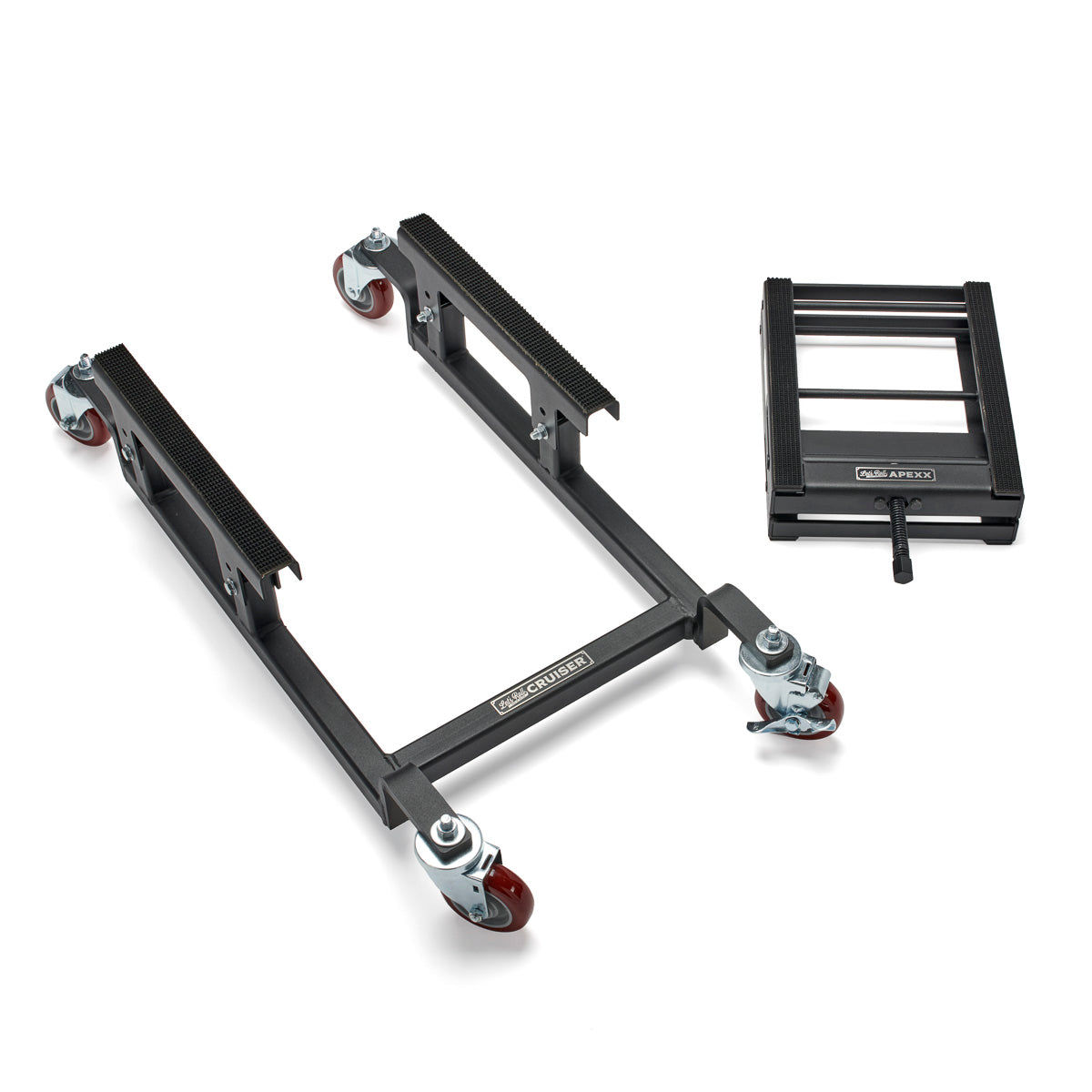
This is where simple tools in the garage quietly support comfort without being the focus. They don’t change the ride. They remove friction around it.
How These Pieces Work Together
- Earplugs reduce harmful noise.
- Wind management minimizes turbulence.
- Communication systems deliver clear information without distraction.
- A calm, unrushed start keeps tension low.
None of these things are flashy. But together, they make riding sustainable—especially for riders who put in real miles.
Why Riders Ignore Comfort Upgrades
Most riders don’t ignore comfort because they don’t care. They ignore it because:
-
Discomfort builds slowly
-
Nothing breaks dramatically
-
Fatigue feels “normal”
Performance upgrades are exciting. Comfort upgrades are quiet.
But riders who ride the longest—and the most consistently—almost always prioritize comfort and ease, both on the road and around the bike.
Comfort Is Part of Riding Well
Fatigue reduces reaction time. Tension leads to mistakes. Noise increases stress.
Comfort isn’t indulgence. It’s part of riding well.
Riders who address noise and preparation ride longer, stay sharper, and enjoy the experience more—without changing what they love about motorcycling.
The Bottom Line
Wind noise is one of the most overlooked contributors to rider fatigue.
Earplugs, communication systems, and thoughtful wind management dramatically improve comfort, clarity, and endurance. When combined with a setup that makes preparation easy and unrushed, riding becomes something you look forward to—not something that quietly wears you down.
Riders don’t stop riding because of wind noise.
They ride less because of fatigue they never learned how to fix.
Remove the friction, and the ride takes care of the rest.