The First Comfort Mods Most Road Glide And Street Glide Owners End Up Wanting
If you spend enough time around Harley touring riders, you start hearing the same words over and over: reach, wrists, lower back, buffeting, seat — and "I love the bike, but…" That's exactly why the first Road Glide comfort mods and Street Glide comfort mods are rarely about chasing horsepower. They're about making the bike fit the rider better.
A Road Glide or Street Glide can be an incredible long-mile motorcycle, but only when the rider triangle is right. Harley-Davidson's own ergonomics guidance points riders toward a slight bend in the elbow, a flat wrist at the bars, and foot placement that's neither stretched out nor cramped. When those basics are off, riders start looking at the same categories first: seat upgrades, handlebar upgrades, touring suspension upgrades, windshield changes, and highway pegs.
Why Comfort Mods Usually Come Before Everything Else
A lot of new owners think the first money will go into exhaust, audio, or appearance. In reality, most Road Glide and Street Glide riders quickly realize that comfort is what determines whether they actually want to stay in the saddle for a full day. Across owner forums and rider discussions, the most repeated advice isn't to build a performance bagger first. It's to fix what annoys you on the bike: the seat pressure point, the bar position, the wind hitting your helmet, or the inability to stretch your legs.
For a touring Harley, comfort isn't one single part. It's a system. If the bars are wrong, your shoulders and wrists complain. If the seat is wrong, your hips and tailbone complain. If the suspension is harsh, every expansion joint reminds you. If the windshield is wrong, the noise and buffeting wear you out faster than the miles do. That's why the smartest approach is to think in terms of rider fit — not random parts.
Comfort is what determines whether you actually want to stay in the saddle for a full day. Build the bike around your body — not the catalog.
Start With The Rider Triangle
Before buying anything, the best question is simple: what hurts first?
If your hands feel loaded, your wrists bend awkwardly, or your shoulders tighten up, the bars may be wrong. If your lower back or tailbone starts barking, the seat may be wrong. If you feel beaten up over rough pavement, the suspension may be the next move. If you're getting helmet shake, pressure on your chest, or fatigue from wind noise, you're probably in wind management territory.
The Rider Triangle Checklist
- Slight bend in the elbow at the bars
- Wrist flat — not rolled up or down
- Footpeg reach that isn't stretched or cramped
- Hips supported, not perched
- Lower back contact — not just cushion
1. A Better Seat Is Usually The First Real Upgrade
For many riders, the first true Harley touring comfort upgrade is a seat. Not because stock Harley seats are automatically bad, but because "stock" is built for average fit — and average fit rarely feels custom after a few hours.
A good Road Glide seat upgrade or Street Glide seat upgrade changes more than cushion. It changes where your hips sit, how much lower back support you get, and whether you feel locked in or pushed forward. Harley's own touring seat lineup heavily emphasizes rider and passenger support, and even its Hammock touring seat specifically markets tailbone protection and suspended support for longer days.
When evaluating a seat, the question isn't just "is it soft?" It's whether it puts you in a better position on the bike. That means paying attention to:
- Seating height
- How far forward or back the rider sits
- Lower back support
- Rider versus two-up comfort
- Whether the seat changes reach to the bars or pegs
Handlebars Are Often The Fastest Fix For Shoulder, Neck, And Wrist Fatigue
If a rider says, "My shoulders are tight," "my wrists are bent," or "I feel like I'm reaching too far," that's usually a bar conversation. Harley's own guidance says the bars should allow a slight bend in the elbow and a flat wrist — and Harley specifically sells Reach and Tallboy handlebar options to move the controls for different rider sizes. For Road Glide models, the Reach handlebar was designed for smaller-stature riders and brings the grips two inches lower, while the Tallboy bar is optimized for taller, long-limbed riders and sits two inches taller than stock.
Most riders assume bar changes are about style first. For touring riders, they're really about posture first.
For Shorter Riders
Shorter riders often want the bars a little closer, lower, or flatter so they aren't reaching and rolling the wrists upward. Harley's Reach handlebar is built around exactly that kind of rider fit.
For Taller Riders
Taller riders often want more height and a more natural elbow angle so they don't feel folded into the bike. Harley's Tallboy reflects that, with a taller bar and more relaxed position. Forum discussions from taller Harley riders frequently bring up higher bars, different pullback, and highway-ride comfort as major improvements.
Suspension Is The Mod Riders Wish They Had Done Earlier
A lot of owners put off suspension because it's less flashy than bars or a seat. That's usually a mistake. A proper Harley touring suspension upgrade can change how a Road Glide or Street Glide feels over real roads — especially if the complaint is harshness, bottoming, or fatigue after rough pavement.
Harley's premium touring shocks emphasize enhanced compression and rebound damping, less bottoming, and less harshness transmitted through the frame. That matches what riders are really trying to solve: not a track-bike feel, but a bike that stops punishing them on imperfect roads.
Suspension isn't flashy. It's the mod most riders wish they'd done first.
Wind Management Can Completely Change A Touring Harley
There's a reason Road Glide windshield and Street Glide windshield discussions never seem to die. Riders talk constantly about buffeting, helmet shake, wind noise, and the difference a windshield can make. In owner forums, it's common to see riders recommend the windshield earlier than expected — sometimes even before bars or a seat — because bad buffeting makes every mile feel longer.
Riders aren't usually searching for "the coolest windshield." They're searching for:
- Less helmet buffeting
- Better airflow
- A shield they can look over instead of through
- Less fatigue at highway speed
Highway Pegs Help Because They Give You Another Position
One reason highway pegs show up in comfort conversations so often is simple: they give your hips, knees, and lower back another place to live on a long ride. Harley's own footpeg guidance emphasizes comfort and reach, and owner discussions repeatedly mention highway pegs and backrests together as major long-ride improvements.
You don't have to live on the highway pegs full-time for them to matter. Their value is in the option. On a long day, being able to shift leg position can change how your back and hips feel a hundred miles later. Highway pegs are about stretch and relief — placement matters, and they work best as part of the full comfort equation, not as a band-aid for a bad seat or wrong bars.
How Let's Roll Fits Into The Comfort Conversation
Once a rider starts dialing in the comfort side of a Road Glide or Street Glide, something else usually happens: they become more particular about how they park, stage, and reposition the bike at home.
If you've invested in a better seat, changed the bars, added highway pegs, or swapped the windshield, you're probably spending more time getting the bike exactly where you want it in the garage. That's where the Let's Roll Cruiser® Motorcycle Dolly earns its place.
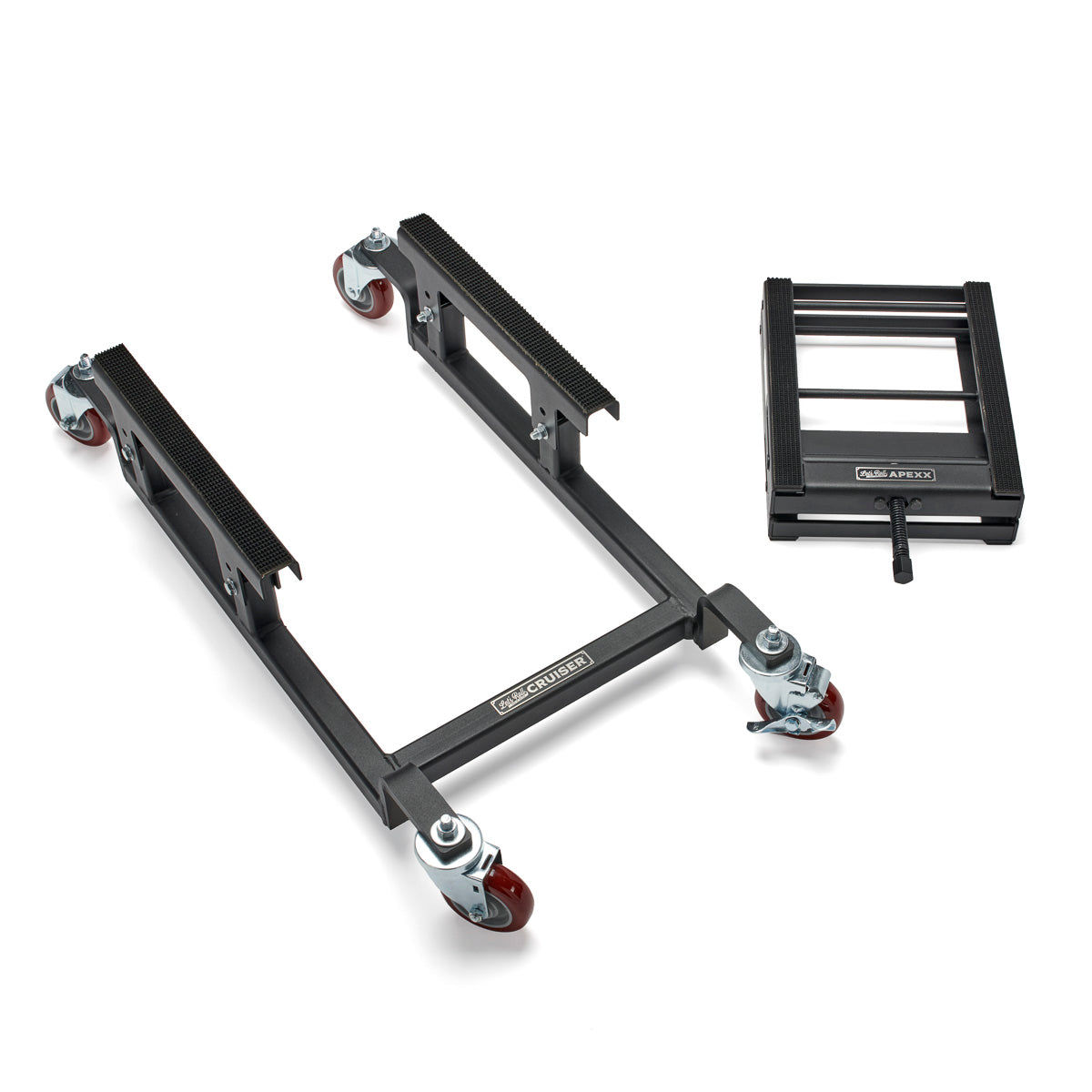
The Cruiser Dolly is built for cruiser and touring motorcycles and designed for precise movement and storage. It rolls smoothly without getting hung up on concrete seams, keeps the tires off the ground, takes weight off the suspension, stores the bike upright on the frame instead of the kickstand, and doesn't require tie-downs. (Quick fit check: look for about 17 inches of unobstructed frame space, direct frame contact, and an outside-mounted kickstand area.)
Let's Roll Cruiser® Motorcycle Dolly
Built in Michigan, USA. 1,200 lb capacity. Zero-scuff™ casters that won't mark epoxy or concrete. The everyday tool that turns a heavy Road Glide or Street Glide into a bike that rotates, slides flush to a wall, and tucks into a corner — without wrestling it.
The key message: the lift is the step that gets the motorcycle up so the dolly can slide under it, but the real everyday win is the dolly. After the Let's Roll™ Lift does its job, the Cruiser Dolly is what allows the bike to rotate, slide flush to a wall, tuck into a corner, and reclaim garage space.
For a Road Glide or Street Glide owner, that matters more than it sounds. Touring Harleys are heavy. Once they're parked, most owners don't want to wrestle them around by hand. A dolly-first solution fits naturally into the ownership reality of a rider who wants the bike to fit better on the road and in the garage.
The Best Order For Most Riders
Fix The Biggest Complaint First
If the seat is the problem, start there. If your wrists and shoulders hurt, look at bars. If highway miles are exhausting, start with the windshield conversation.
Don't Guess At Fit
Your size matters. Harley's own Reach and Tallboy handlebar options show how much rider height and arm length can change the right answer.
Think About Ownership, Not Just Riding
Comfort on the bike matters. So does control off the bike. If you own a heavy touring Harley, a better way to stage and reposition it at home isn't an afterthought — it's part of making the bike easier to live with.
Frequently Asked Questions
What's the single best comfort mod for a Road Glide or Street Glide?
It depends entirely on what hurts first. For most riders, the seat is the highest-impact upgrade because it changes where the hips sit and how much lower back support you get. But if your wrists and shoulders are the issue, bars will outperform a seat every time. Diagnose the problem before buying the part.
Will the Let's Roll Cruiser Dolly fit my Harley touring bike?
The Cruiser Dolly is designed specifically for cruiser and touring motorcycles, including Road Glide and Street Glide models. The fit checklist is straightforward: about 17 inches of unobstructed frame space between the wheels, direct frame contact (no piping or wiring in the way), and an outside-mounted kickstand. Measure your bike before ordering — we'd rather you be 100% sure than ship it back.
Do I need the lift if I already have the dolly?
The dolly is the everyday tool — it's what you'll use to move and store the bike. The lift is the step that gets the bike up off its kickstand so the dolly can slide under it. If you want the simplest one-person workflow, the Cruiser Package Deal pairs them together.
How much weight can the Let's Roll Cruiser Dolly handle?
1,200 lb capacity, built from 10-gauge tubular U.S. steel and hand-welded in Michigan. That's well above the wet weight of a fully loaded Road Glide or Street Glide.
Will the dolly damage my garage floor?
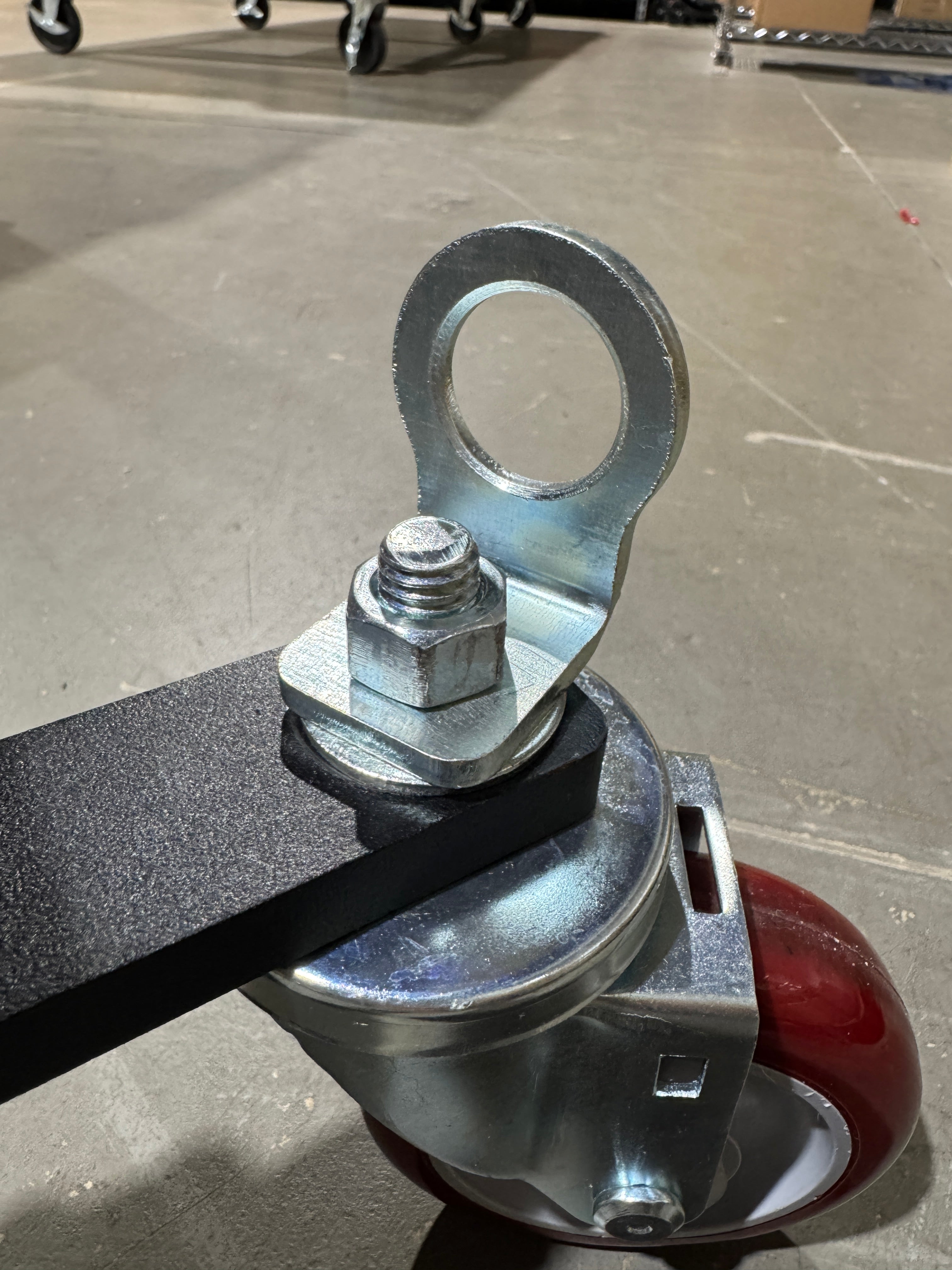
No. The Cruiser Dolly uses original Zero-scuff™ 4" urethane casters specifically chosen to protect epoxy and concrete floors. No black streaks, no marks.
The first Road Glide comfort mods and Street Glide comfort mods aren't about turning a touring Harley into something it isn't. They're about making the bike feel more like it was built for you.
For most riders, that means a better seat, better handlebars, improved suspension, smarter wind management, and highway pegs that let them move around on longer rides. And once the bike fits better on the road, the next smart step is making it easier to store and reposition at home with the Let's Roll Cruiser® Motorcycle Dolly — using the lift only to elevate the bike so the dolly can slide underneath and do the real work.
Reclaim Your Garage. Roll Your Ride.
30-day money-back guarantee. Lifetime warranty on the dolly. Built by riders for riders who already know what 800+ pounds feels like in a tight garage.