
125 Years of Indian.
Never Finished.
America's first motorcycle company just turned 125, got a new owner, and launched a campaign that says everything about where the brand is headed. Here's what it means for riders — and how to make sure your Indian is as ready for the road ahead as the brand itself.
In 2026, Indian Motorcycle is celebrating 125 years on the road, passing hands to a new owner, launching a limited anniversary collection, and telling riders it is "Never Finished." For anyone who has ever swung a leg over a Chief, a Challenger, or a Scout — this one feels different.
It's rare that a milestone birthday lands at a genuine inflection point. But this one does. January brought the "Never Finished" campaign and the debut of the 125th Anniversary Collection. February brought Carolwood LP officially closing its acquisition from Polaris, and a new CEO — Mike Kennedy, a 30-year motorcycle industry veteran — stepping into the role with a mandate to make Indian a standalone company focused on nothing but bikes. Spring brought Daytona, where Indian threw open the doors at the Bandshell for a free anniversary concert and rolled out its full 2026 lineup at the Main Street display.
For long-time owners, the stakes feel real. What does 125 years actually mean? And what comes next?

125 Years — The Real Story
The number is accurate, and it's worth sitting with. Indian Motorcycle was founded in 1901 in Springfield, Massachusetts, by George Hendee and Oscar Hedstrom — two former bicycle racers who wanted to build a gasoline-powered machine that could pace their racers. What they started became the first major American motorcycle manufacturer, and for years, Indian outsold every other brand in the country.
-
1901
Founded in Springfield, Massachusetts by George Hendee and Oscar Hedstrom. The first Indian rolls off the line.
-
1913
Indian is producing 30,000 motorcycles annually — the largest motorcycle manufacturer in the world.
-
1940s
Indian supplies motorcycles to the U.S. military during World War II. The brand becomes synonymous with American resilience.
-
1953
Indian halts production. A 60-year chapter closes. The name lives on in nostalgia, private collections, and the dreams of riders who never stopped believing.
-
2011
Polaris Industries acquires the brand and begins the modern revival. The Thunderstroke engine returns. Indian earns credibility all over again.
-
2023
The Indian Challenger wins the MotoAmerica King of the Baggers championship. The brand isn't just surviving — it's winning.
-
2026
Carolwood LP completes its acquisition. Indian enters its 125th year as a fully independent, motorcycle-only company for the first time since 1953.
That's the history worth sitting with — not just the celebration, but what it means that through nine owners, a 60-year gap, and every kind of uncertainty, riders stayed genuinely connected to the name. The brand survived because the people who loved it refused to let it go. The riders kept the spirit alive when the company couldn't.
New Ownership, New Energy
The Carolwood acquisition is the other half of this story, and the community is paying close attention. The anxiety is real — private equity has a mixed track record with heritage brands, and Indian owners know their history better than most. But the early signals are being watched carefully and, for many, cautiously welcomed.
"For as long as I've been doing this, Indian has started every media release with 'America's First Motorcycle Company.' This is the first time it seems authentic."
— Chris Cope, VisordownThe case for optimism: Carolwood has a stated reputation for buying brands and holding them for the long term rather than extracting value and flipping. New CEO Mike Kennedy spent 26 years at Harley-Davidson and then ran Vance & Hines — he is not a spreadsheet executive, he is a rider who has spent his career in this industry. The press materials have mentioned the dealer network eight times, which is the kind of thing only someone who understands motorcycle culture would lead with. And manufacturing stays in Spirit Lake, Iowa and Monticello, Minnesota — made in America is explicitly the priority.
The case for patience: it's still early. The bikes are still the same. The proof will be in what gets designed and built over the next three to five years. Riders who watched Polaris kill Victory to make room for Indian are not simply going to take a press release at face value. And they shouldn't have to.
What's clear is that 2026 is a hinge year. The anniversary is real. The new chapter is real. And for riders who have owned their Indians through the Polaris era — the Chieftains, the Challengers, the Pursuits, the Roadmasters — this is the moment to feel like the brand finally belongs to itself again.
Keep Your Indian in Its Best Shape
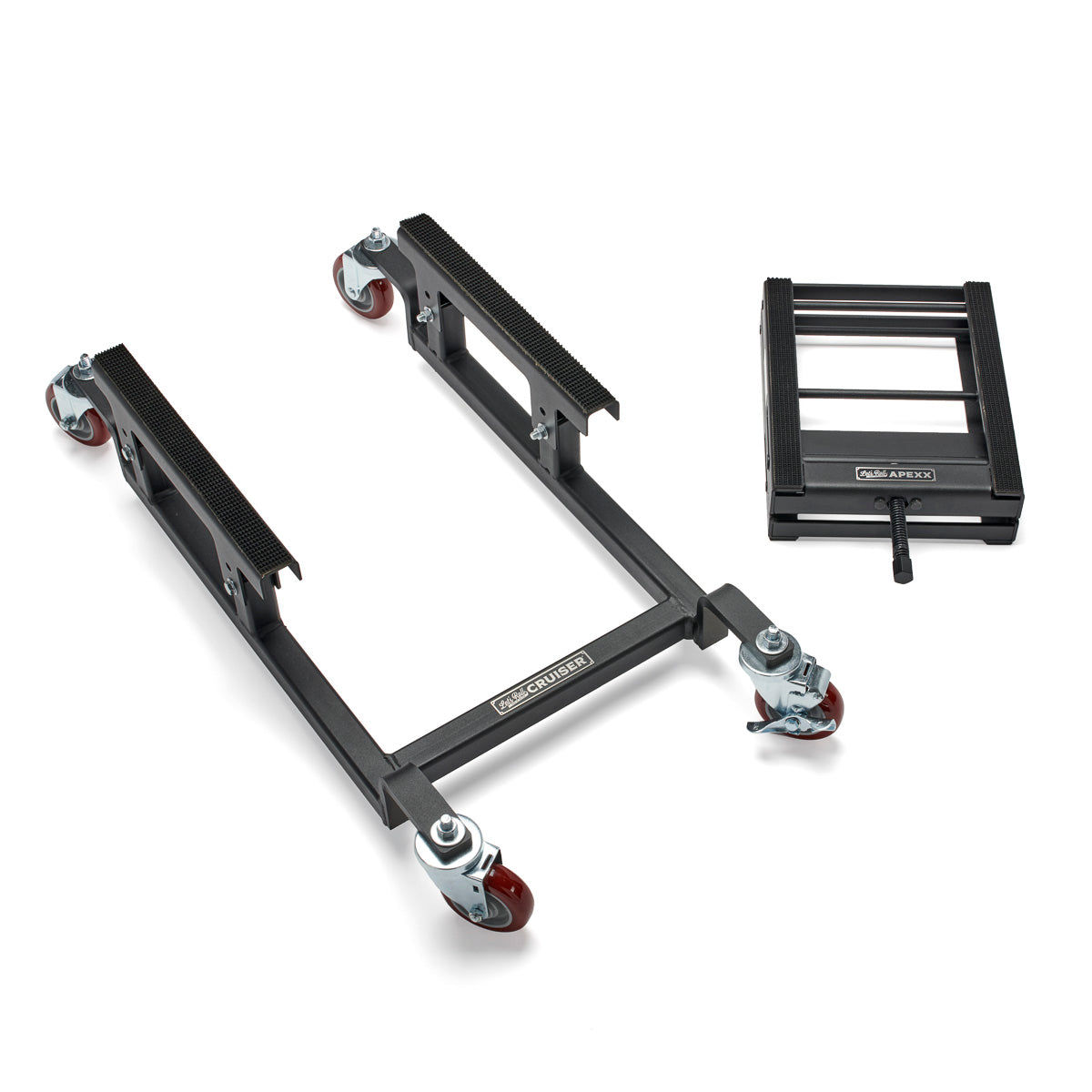
Your Challenger, Chieftain, or Roadmaster is a serious machine — and it deserves serious care. The Let's Roll Standard Lift raises your bike off the ground so you can do real maintenance: oil changes, brake inspections, and thorough pre-ride checks at eye level instead of crouched on the floor. Once elevated, slide the Cruiser Dolly underneath and you can move your Indian anywhere in your space, solo, without breaking a sweat. The lift does the raising — the dolly does the moving. Together, they change how you work on and store your bike.
See the Let's Roll LiftsThe 125th Anniversary Collection
Indian didn't just slap a badge on the tank and call it an anniversary edition. The 125th Anniversary Collection is four limited-production bikes, each hand-painted — some taking over 36 hours per motorcycle — in a custom Black Crystal finish that transitions into 125th Anniversary Red. The collection covers the breadth of the lineup intentionally: something for every kind of Indian rider.
Chief Vintage 125th Anniversary Edition — The statement piece. Valanced fenders, wire wheels, a vintage floating seat, a lit headdress. It looks like it rolled out of 1940 and into 2026 without apologizing for a single curve. This is the bike that reminds you what Indian was always supposed to be.
Scout Bobber 125th Anniversary Edition — Only 450 available worldwide. Liquid-cooled 1250cc SpeedPlus engine, bobbed fenders, precision-machined eight-spoke wheels. Mean, stripped-down, and fast. For the rider who wants the name with none of the ceremony.
Indian Challenger 125th Anniversary Edition — The bagger that wins races. The PowerPlus 112 engine, frame-mounted fairing, blacked-out finishes. King of the Baggers pedigree wearing anniversary colors.
Roadmaster 125th Anniversary Edition — The full tourer. Custom-stitched heated and cooled two-up seat, upgraded PowerBand audio, every comfort Indian makes. Starting at $43,999, it is the most limited and most luxurious piece of the collection.
"The 125th Anniversary Collection exists to prove what it looks like when we chase the only standard we know: our own."
— Indian Motorcycle, 2026All four bikes carry the same philosophy: progress isn't about forgetting where you came from. It's about being worthy of it.
 ─────────────────────────── -->
Which Indian Models Need the IMAP?
The Challenger and Pursuit work directly with the Let's Roll lift and dolly — no adapter needed. For the Chief, Chieftain, Roadmaster, Springfield, and Scout models, Indian frames have a unique profile that doesn't fit standard lift pads. The Let's Roll IMAP (Indian Motorcycle Adapter Plate) solves this — and the best part: it mounts to your existing floor jack or hydraulic lift. You do not need to buy a new one. Add the Cruiser Dolly and you have a complete system: raise the bike using your existing equipment with the IMAP, slide the dolly underneath, lower it down, and move your Indian anywhere with one hand. Made in Detroit. Works with what you already own.
See the Indian Motorcycle Adapter PlateWhat "Never Finished" Actually Means
Indian's anniversary campaign motto is doing a lot of work. "Never Finished" is technically a campaign tagline, but it lands differently in 2026 than it would have in any other year. Because the company actually isn't finished. It survived bankruptcy. It survived irrelevance. It survived being treated as a footnote inside a powersports conglomerate. And now, at 125 years old, it's starting over — again — under an owner that says motorcycles are the entire point.
For the riders who have owned Indians through this entire modern chapter, there's a particular pride in that. You bought into the brand when it was still proving itself. You put miles on Thunderstroke engines. You watched the Challenger go from debut to King of the Baggers champion. You were there when this was still a gamble, not a given.
"Reaching 125 years is a true testament to the riders who refused to let the spirit of Indian Motorcycle fade through a 60-year hiatus."
— Indian Motorcycle "Never Finished" CampaignThat framing is correct. The riders kept the flame. The community at rallies, in garages, and out on the road across the country did not wait for a corporation to tell them whether Indian was worth loving. They already knew.
Move It Like You Own It
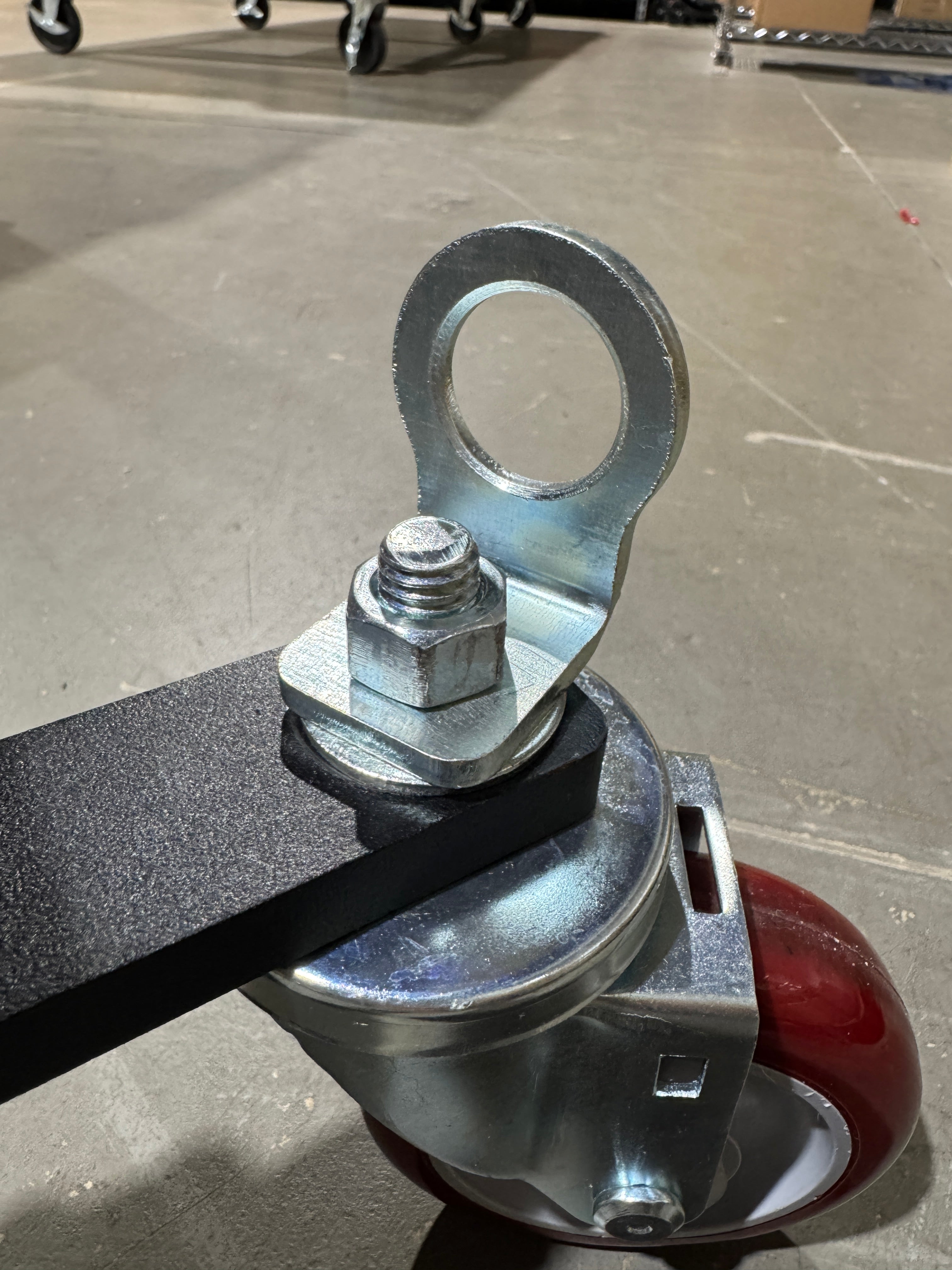
A 900-pound Roadmaster or a loaded Pursuit is a serious thing to push around a tight space. The Let's Roll Cruiser Dolly was built for exactly that — four heavy-duty casters, a low-profile frame that rolls under your bike once it's on the lift, and the ability to move your Indian in any direction with one hand. No muscle, no scratches, no asking for help. Use your lift or the IMAP to raise the bike, roll the dolly underneath, lower it down, and move it wherever it needs to go.
See the Cruiser Dolly125 Years In — Here's the Honest Take
The anniversary is worth celebrating. The bikes are genuinely good — the Challenger wins races, the Chief Vintage is one of the most beautiful machines Indian has ever built, and the 125th Anniversary Collection is a serious collector's item. The new ownership brings real uncertainty but also real possibility, and the early signals from Kennedy and Carolwood suggest they understand what makes this brand matter.
What doesn't change is the community. The riders who are at 50,000 miles on their Chieftains. The ones who waited 20 years to own an Indian and still can't believe they get to ride one. The ones who debate air-cooled versus liquid-cooled like it's theology. That community is the 125 years. The brand has been various things to various owners — but it's always been exactly one thing to the people who ride it.
Congratulations to every Indian owner on 125 years. Here's to the next ones. Never finished.
Made in Detroit.
Built for Your Indian.
Let's Roll lifts, dollies, and the Indian Motorcycle Adapter Plate are built for the riders who take their bikes seriously. The lift raises it. The dolly moves it. The IMAP works with your existing jack. All made in the Motor City, backed by a 100% satisfaction guarantee.